Zinc thymulin · One needed pairing
Zinc Thymulin Needs Zinc to Work
One zinc atom pairs with each chain, a 1:1 match. Cell and blood tests show why.
Zinc Gives Thymulin Its Working Form
Zinc helps the hormone thymulin affect cells. This page shows what changes after zinc joins. The chain alone barely affected cells.
Researchers took zinc away. The chain stopped changing immune cells. When they added zinc again, the effect returned.
Your zinc level may change thymulin's action. Too little zinc may leave less active hormone. Blood tests explored that link. They didn't set an amount for you.
Thymulin and Serum Thymic Factor Are One Chain
Older papers call the zinc-free chain serum thymic factor. That wording came before zinc's role was clear [1]. Later papers called the zinc-bound form thymulin [1]. You may still see both names.
The two names point to one chain. Serum thymic factor has no zinc attached. Once zinc joins, the active form is thymulin. You don't need to picture two hormones.
Serum thymic factor (FTS) is the older wording. Some papers use it for either form [1][2]. Look for attached zinc. That's the difference you need.
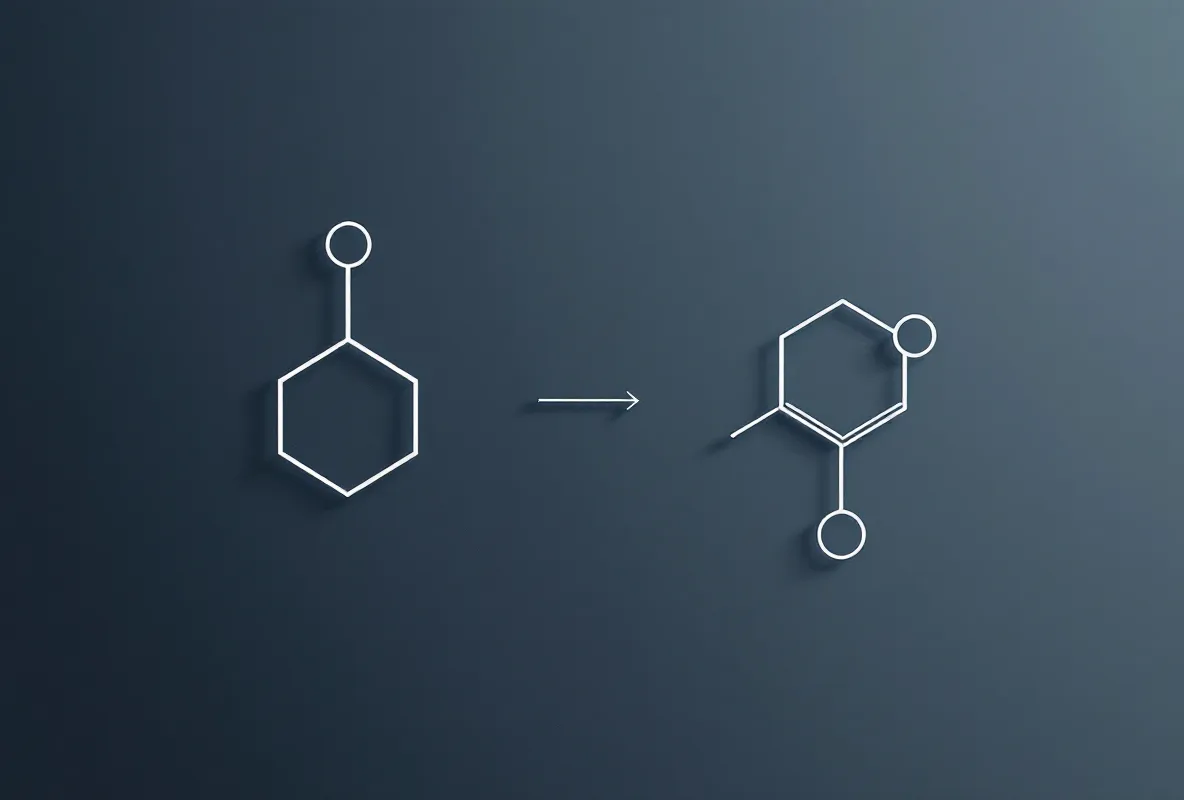
Zinc Folds Thymulin Into a Working Shape
Zinc changes how the thymulin chain folds. Scientists put it in a strong magnet and measured its atoms [2]. The test found no working shape without zinc. You don't need to picture the fold.
One zinc atom pairs with each thymulin chain. That's the 1:1 match [1][2]. Without zinc, the immune-cell change stops. Your cells may then see less active hormone.
As you age, blood proteins may hold zinc more tightly. Less zinc may stay free for thymulin [2]. That could help explain why your thymulin action falls. It isn't proof about your own blood.
Removing Zinc Ended the Immune-Cell Change
Researchers tested the zinc-free chain on immune cells. Chelex 100 is a lab material used to remove metals from liquid. Here, it removed zinc from the chain. The cell change stopped, then returned after zinc came back [1].
The strongest return came with a 1:1 match. Other metals brought back less of the change [1]. The paper doesn't name those metals in this summary. They don't alter what you need to know.
The test gave a direct comparison. Without zinc, the chain didn't work. With zinc, the effect returned. That active form is thymulin [1], and your body wasn't part of this cell test.
Thymulin Tests Found Zinc Loss Before Usual Blood Tests
Three human tests looked at mild zinc loss. In two, volunteers ate food with too little zinc. The third involved adults with sickle-cell anemia. Their usual blood zinc result could still look normal.
Thymulin action was low in these people. Zinc restored that action and a substance immune cells use to call for help [3]. Those 2 changes improved together.
Thymulin action fell while usual zinc results stayed normal [2][3]. Researchers knew zinc was low from the food tests or the illness studied. The thymulin test caught a change the usual test missed. It doesn't prove thymulin treats disease.
Zinc can shape every thymulin result. Too little zinc can weaken the hormone [2]. Keep that fact in mind. It isn't a care plan for you.
Zinc Gives the Thymulin Chain Its Shape
Zinc joins thymulin in a 1:1 match. That bond gives the chain a shape that can work [2]. Take zinc away, and cells stop changing. Put zinc back, and the effect returns [1].
The zinc-free chain doesn't change cells. Active thymulin includes zinc. Your zinc level may change what the hormone does. You can't use that fact to treat yourself.
Serum Thymic Factor Is Thymulin Without Zinc
Both names refer to one hormone chain. Older papers say serum thymic factor when zinc is absent. With zinc attached, they call it thymulin [1]. You don't have two separate hormones.
Zinc changes the chain's fold and cell effect [1][2]. The same nine amino acids stay in the same order. Researchers use that order to match the two names. You can focus on whether zinc has joined.