Thymulin · A plain study guide
Zinc Must Join Before Thymulin Works
See what researchers changed and measured. Keep the human limits in view.
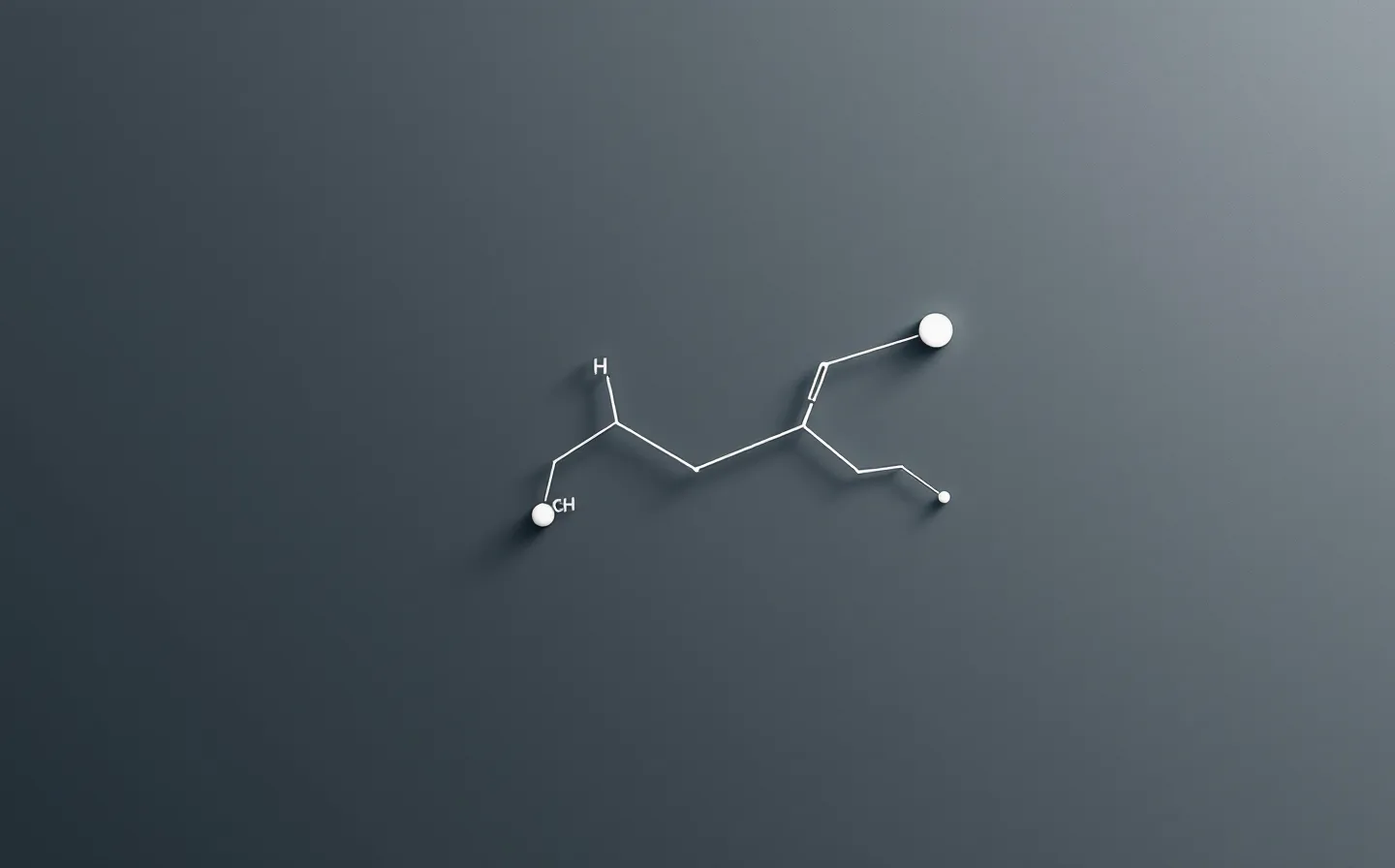
Thymulin Needs Zinc; Human Proof Stays Weak
Your thymus releases a hormone named thymulin. Here, you'll learn what each study measured. You'll also see why the work can't guide care yet.
Nine amino acids make this small hormone. Amino acids are pieces used to build proteins. Zinc must join the chain before thymulin works.
Most tests used mice, rats, or cells in dishes. Thymulin isn't approved medicine. A lab result can't promise safety or help for you.
Your Thymus Releases Thymulin After Zinc Joins
Your thymus rests in your chest, behind the breastbone. Cells along this gland release thymulin. Each chain pairs with one zinc atom, a 1:1 match [1][2]. Without zinc, your hormone can't work the same way.
Older papers call the zinc-free chain serum thymic factor. Adding zinc makes that chain active thymulin [1]. The old name doesn't mark a second hormone. It tells you whether zinc has joined.
Thymulin reaches your blood from birth. Your level rises through childhood, then drops with age [2][4]. Your thymus also shrinks over the years. Too little zinc can weaken the hormone's action [2][3].
Several names sound much alike. Thymosin alpha-1, thymosin beta-4, and thymalin aren't thymulin [9]. You can't apply their results to this hormone. Thymulin vs thymosin alpha-1 sorts out those names for you.
Thymulin Peptide Has Nine Amino Acids
A thymulin peptide contains nine amino acids in one row. Your body uses these small pieces to build proteins. The first amino acid curls into a ring at one end. That ring helps set the chain's shape [2].
Scientists placed the chain in a strong magnet. They measured how its atoms responded. The result showed that zinc changed the chain's shape [2]. Only the zinc-bound chain affected cells.
Read why thymulin depends on zinc for more detail. You don't need to picture every fold. Just remember that zinc becomes part of working thymulin.
Thymulin Findings Still Don't Prove Human Benefit
The clearest work began with young immune cells. Thymulin helped them mature into working T cells [2]. These cells help your body resist germs. No patients took part, so you can't expect that change.
Thymulin also lowered signs of swelling in mice [6]. Cells from a rat gland released a stress hormone. The largest release came at 10 trillionths of a mole per liter, a chemistry measure for an extremely weak lab mix [4][11]. The tests didn't show help or harm for you.
Researchers used an altered virus to place a thymulin-making gene in newborn female mice. The mice were born without thymus glands. Their sex hormones stayed steadier, and their ovaries had fewer problems [9][10]. Read thymulin research findings and thymulin and the neuroendocrine axis if you want details.
Thymulin dosage in the literature lists amounts used in animal work. Those aren't amounts you can use. Human studies haven't found a safe amount for you.
Thymulin Changed Immune Cells and Pituitary Cells
After thymulin, young immune cells matured into T cells [2][4]. Those cells defend your body from germs. A dish test can't prove you'll get fewer infections.
In a dish, rat pituitary cells released a stress hormone [11]. Your pituitary is a gland under your brain. Its hormones changed how much thymulin the thymus released [4]. Each gland changed the other in these tests.
Thymulin Is in Your Blood From Birth
Cells along your thymus release thymulin. The hormone enters your blood from birth. Levels rise through childhood, then fall with age [2][4].
Your thymus gets smaller as you grow older. Low zinc can also weaken thymulin [2][3]. A blood test may spot a change. It can't decide what care you need.
Nine Amino Acids Identify Thymulin
One thymulin chain contains nine amino acids [1][2]. Your body uses amino acids to build proteins. Researchers know thymulin by those pieces in their set order.
You don't need the long chemical spelling. This hormone has a very short chain. For your understanding, zinc is the key. The chain won't work until zinc joins it.